
What Therapy Really Is
Welcome to the Valley Therapy Blog.
Here, I write about what it means to be human in relationships — either with those around us, or even with ourselves. I’ll be posting short musings - thoughts you can carry with you throughout your day - in hopes of finding ways for us all to connect deeper with those around us and with ourselves.
What is therapy?
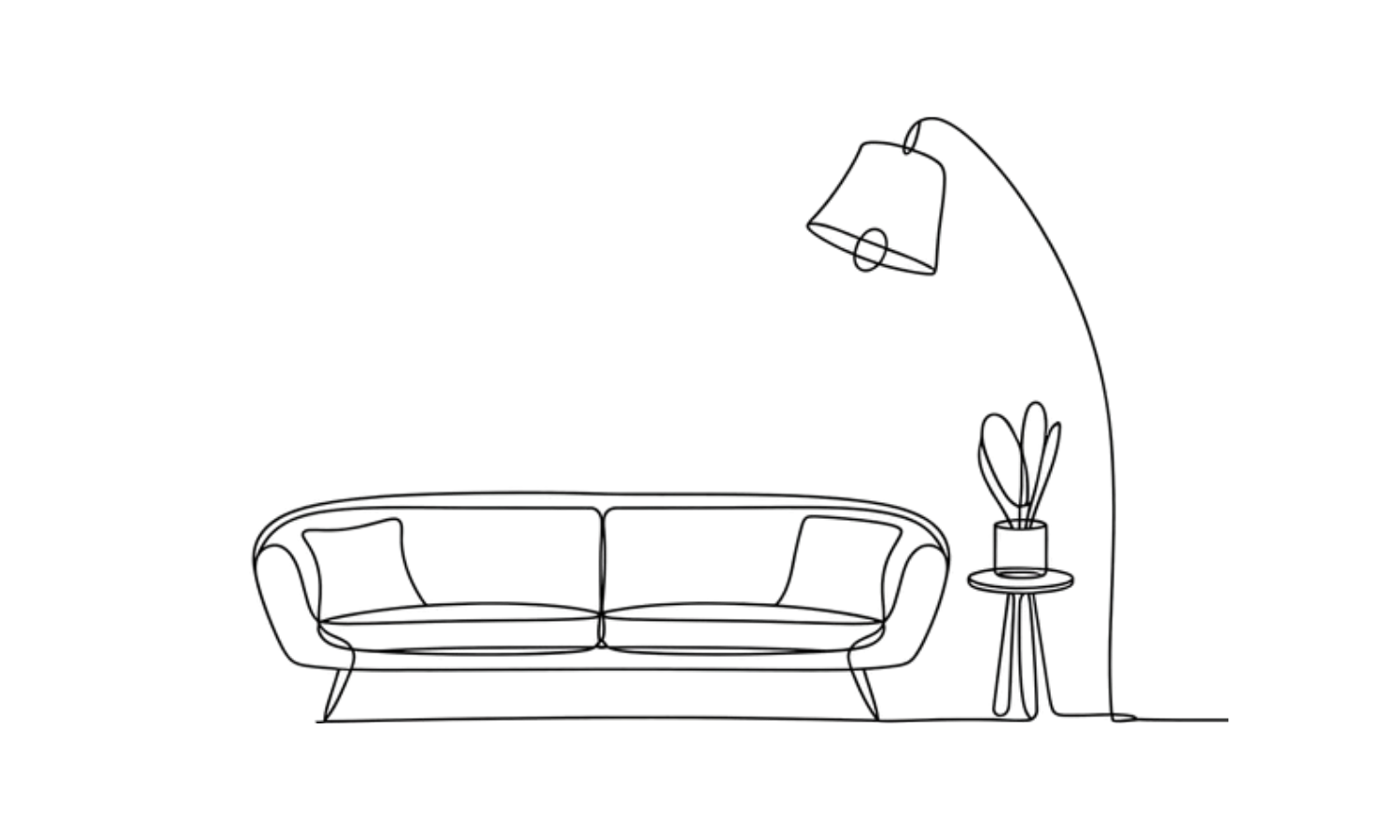
Picture this: you’re lying on a couch, head propped up on a pillow. Your therapist sits beside you with a clipboard and pen, glasses perched on the tip of their nose, and you’re sure they’re taking notes on everything that’s wrong with you.
Sound familiar?
For many of us, that’s the image that comes to mind when we hear the word therapy. Though it’s the classic portrayal, therapy today looks very different. So, what is therapy? Let’s break it down.
Here are three ways to think about what therapy really is:
Therapy is slowing down
Think of a time recently when you've been frustrated by something, but you weren’t quite sure why. You noticed feeling frustrated or upset, and reacted strongly, but you aren’t clear on what really happened, and it’s left you feeling confused and overwhelmed.
Or maybe it was an interaction with a family member — one of those familiar moments that leaves you feeling misunderstood, like they still have you in that box from when you were younger. Or perhaps you and your partner have just had a massive fight, the same one that’s come up again and again, with no resolution.
In therapy, slowing down allows us to really tune in to ourselves, and, if needed, our partners: What happened there? Why am I so frustrated, upset, or angry? What can I/we do about this?
When we slow down in therapy, we are allowing space to touch base with ourselves, and get clarity to understand what is happening.
2. Therapy is paying attention
What’s happening as I talk about this?
What am I noticing in my body as I describe what’s frustrating me?
What choices do I have in how to move forward?
So often, we know something feels painful or confusing, but we don’t always understand why, or even what to do next. Therapy gives us space to slow down and pay attention — to our thoughts, our bodies, and our emotional experience.
By paying attention, we let our body and heart take inventory of what’s going on. This process brings clarity and helps us feel more grounded in our next steps.
3. Therapy is connectedness
When we slow down and pay attention, we create space to explore what’s happening beneath the surface. This naturally leads to deeper connection — with ourselves and often with others.
The more we tune in to our inner world — our wants, needs, hurts, and longings — the more we understand how we relate to others. This awareness gives us a sense of autonomy in our relationships and the freedom to make new choices about how we show up.
Maybe therapy is something you’ve considered before, but you never actually set up the appointment. Maybe you tried it once, but didn’t have a great experience. Now might be the time to reach out, and set up that first appointment. I’d love to meet you and hear your story. I’m an individual and couples therapist located in Bethlehem, PA, and virtually across Pennsylvania. Reach out to me here if you’d like to connect.
